Practical Guidance for State Agencies and Counties
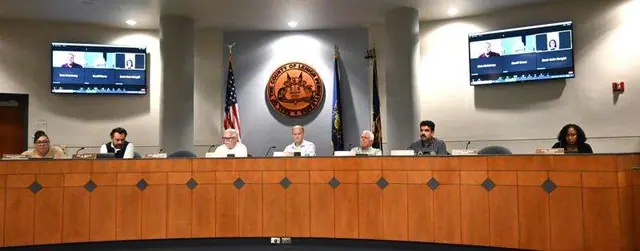
Decisions made in city hall’s across Ohio can ripple through every neighborhood - from the schools in Toledo to the parks in Athens. Ohio’s Sunshine Law isn’t just a set of legal rules; it’s the foundation of how Buckeyes can participate with local leaders and be a part of the solutions. Whether you’re tuning in from a porch in Youngstown or following along on your smartphone in Cincinnati, this guide unpacks why transparency matters here in Ohio, how modern video streaming keeps us in compliance, and the key steps our public bodies must take to stay within the law.
At River Systems, we believe you can meet these legislative requirements effectively - and even improve community engagement in the process - by keeping your technology simple, easy, and reliable. This document offers an in-depth look at the bill, explains common challenges, and outlines how our solutions can help you satisfy the law’s mandates without burdening your team or finances.
What Is Ohio’s Sunshine Law?
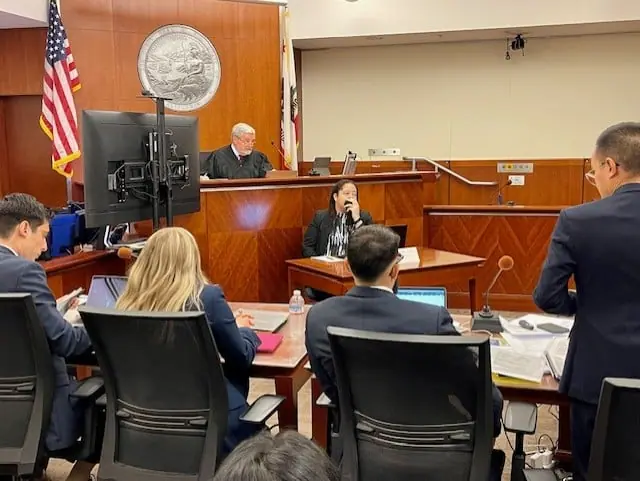
Ohio’s Sunshine Law is really two sibling statutes working side by side. The Open Meetings Act (ORC Chapter 121) requires that when a quorum of any public body - like the Columbus City Council or the Cleveland Board of Education - meets to discuss official business, they must do so in public. The Public Records Act (ORC Chapter 149) guarantees that nearly every paper, email, or digital file created by state and local agencies is open for inspection. Together, those laws ensure that city hall in Akron or the county commissioners in Butler County can’t lock their doors on important decisions.
Why It Matters to Ohioans
Living in Ohio means voting property taxes that support the fire departments, approving zoning changes that shape neighborhoods, and championing economic development that brings jobs to Toledo’s riverfront. When debates over school funding or road improvements happen behind closed doors, citizens lose trust. Sunshine provisions increase access and encourage public comment, so a citizen can log onto a desktop in Columbus or a tablet in Dayton and see exactly how elected officials are voting on issues.
Video Streaming: Bringing Transparency Home
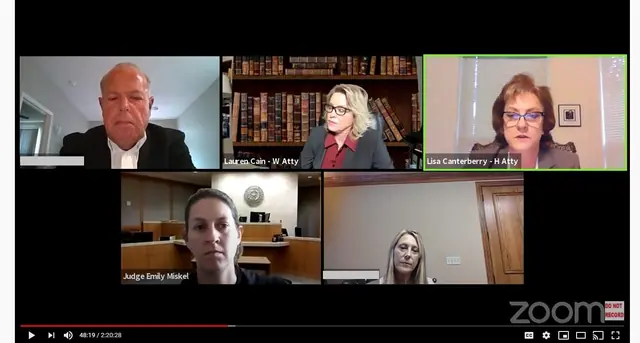
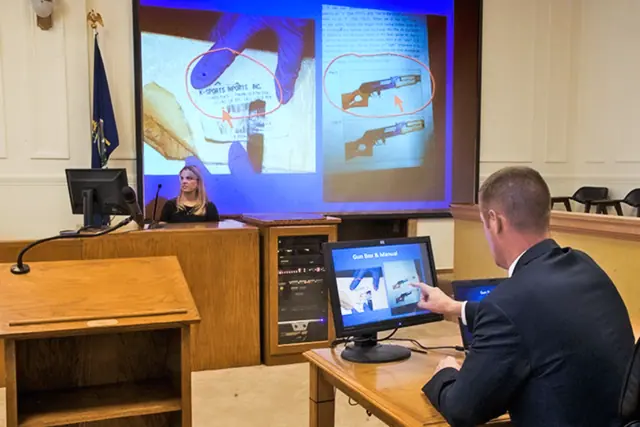
In recent years, communities from Franklin County to Lorain County have embraced live video streaming as their digital “bully pulpit.” Local councils install high-definition cameras in their chambers, stream every regular and special session in real time, and automatically archive those recordings on government websites. This approach ticks every box under the Sunshine Law:
- Real-time Access: Residents in rural Gallia County, for instance, no longer drive 45 minutes just to sit in a cold clerk’s office. They can watch meetings live from their kitchen table.
- Secure Archives: Once the Youngstown City Council concludes its session, the complete video - including audio and slide presentations - gets pushed to a cloud repository with a timestamped certificate of authenticity.
- Accessibility Features: Whether you constituents are hearing-impaired in Canton or speak another language in Scioto County, closed-captioning and automated language translation ensure everyone can follow along.
- Searchable Transcripts: In Columbus, the planning commission’s archived videos come with index markers. Search “zoning variance” or “sidewalk repair” and jump directly to that segment, saving hours of manual review.
These streaming solutions plug directly into our existing IT infrastructure, linking meeting rooms to public-facing portals without reinventing the wheel. Ohio’s open-meeting requirements get satisfied, and staff time spent on fulfilling records requests drops dramatically.
Key Requirements for Compliance
- Advance Notice and Agendas
Every state or local body - from the Ohio School Facilities Commission to your small-town zoning board - must post meeting notices and detailed agendas at least 24 hours before the meeting. This notice must include date, time, physical location (or web link for virtual meetings), and clear descriptions of each agenda item. Many Ohio municipalities publish agendas on their websites and display print versions at city hall entrances. - Open Conduct of Business
When Council Members in Cincinnati gather to vote on streetcar funding, all discussions, motions, and votes must happen in the open session. You can’t require preregistration or impose hidden attendance fees. If the board invites public comment, they must outline the rules for speaking - how long you can talk and whether you need to sign up in advance. - Minutes and Public Records
Minutes are the official paper trail. They must record who was present, when votes were taken, and the outcome of each motion. In many Ohio counties - like Franklin and Hamilton - minutes and video archives get posted within 48 hours to meet both Sunshine Law and practical expectations for prompt access. - Responding to Records Requests
Suppose you submit an email request to the Fairfield County Recorder’s Office for documents related to a land sale; they have three business days to either provide the records, deny the request with a legal exception cited, or issue a written estimate of when you’ll receive the materials. If they charge copying fees or digital delivery costs, those fees must cover actual expenses without added profit. - Executive Sessions
Ohio law allows closed-door meetings only for narrowly defined reasons - personnel reviews, pending litigation, property negotiations, or security briefings. A formal motion must cite the statutory provision, followed by a majority roll-call vote to enter the session. Once they reconvene, officials must publicly announce the session’s purpose, length, and any votes taken to close and reopen the meeting.
Bringing It All Together: Best Practices from Across Ohio
- Pilot and Scale: In Hamilton County, IT teams ran a six-week pilot project covering two city councils before rolling streaming out countywide. They used lessons learned - like optimal camera placement and network load testing - to avoid hiccups later.
- Accessibility Audits: Clermont County engages an external specialist annually to test caption accuracy, contrast ratios, and keyboard navigation. Their public websites consistently achieve WCAG 2.1 AA certification.
- Cross‐Department Training: Monroe Township’s clerk, IT director, and legal counsel hold quarterly tabletop exercises. They run through scenarios - like abrupt network failure or an unexpected request for executive-session minutes - to refine their responses.
- Funding and Grant Writing: Several Cincinnati suburbs tapped ARPA (American Rescue Plan Act) funds to offset upfront equipment costs. They presented cost-benefit analyses showing how streaming reduces overtime hours spent retrieving and redacting recordings.
- Community Feedback Loops: Dayton installed a simple “reaction button” feature next to their streaming player. Viewers can click “informative,” “concerned,” or “suggestion” in real time. Council members review this data monthly to identify hot-button topics or areas needing clearer communication.
Step-by-Step Compliance Plan
Follow these steps to accommodate Ohio’s Sunshine Laws effectively, without overextending your budget or staff resources.
- Evaluate Your Existing Setup
Room Survey: List the spaces where you hold public meetings and note each room’s size and layout.
- Contact River Systems
Consultation: Reach out to discuss your unique circumstances and we can help you select the essential hardware for each room, ensuring you never buy needless equipment.
Budget Considerations: We work within your cost parameters. Since we are on the QPA, you can avoid convoluted bidding processes or unplanned price increases.
- Customize Your Equipment Package
Cameras: We propose camera solutions that provide wide coverage or pan-tilt-zoom features, depending on the space.
Audio: If you hold meetings in larger rooms, a mix of table and wireless mics and ceiling speakers might be best. In smaller chambers, a integrated microphones or ceiling microphones with built-in speakers may suffice.
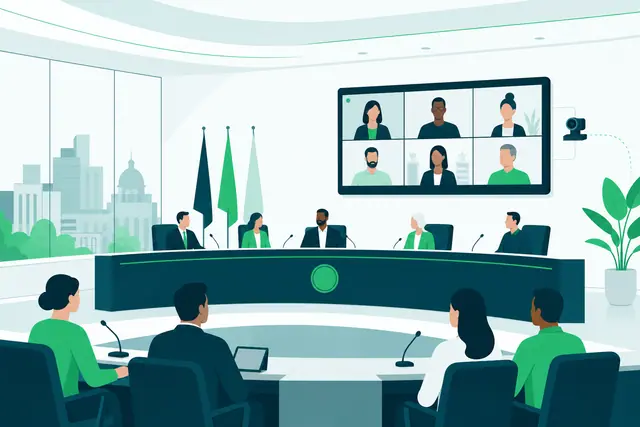
Control Interface: Our simplified interface allows you to start or stop streaming with minimal clicks. If needed, we can include advanced controls for volume adjustments or multi-camera switching.
- Installation and Testing
On-Site Setup: Our team installs cameras, monitors, microphones, and verify network configurations. We position cameras and microphones to reduce glare, echo, or background noise.
Live Test Run: We simulate a meeting to confirm that audio, video, and any integrated slides or screen shares function properly. We also confirm that the platform meets the public’s ease-of-access expectations.
- Staff Training
Basic Orientation: Typically, a short session demonstrates how to begin broadcasting, attach agendas, and archive recordings. We highlight steps for normal operations, such as pressing a single button to initiate the live stream.
Advanced Features (If Needed): For agencies interested in multi-camera setups or custom overlays (e.g., lower-thirds with speaker names), we offer additional guidance. However, we only recommend these upgrades if they serve a practical purpose.
- Going Live and Archiving
Live Events: Start your broadcast via the interface. The system is designed to be hand-free so you can focus on the agenda, not the technology.
Archiving: After the session, our solution automatically stores the video. Agendas, minutes, or memoranda attach seamlessly, so viewers understand the context and access related materials.
- Long-Term Maintenance and Support
Scaling Up: We provide growth options, so if you need to equip more rooms or add advanced features, we can build on the existing setup without replacing everything.
Ongoing Assistance: We provide live help desk support, parts replacement for failed components, and software updates to keep the system current and functioning.
Frequently Asked Questions:
Q: Are common platforms like YouTube or Facebook permitted under the Sunshine Law?
A: Yes. Ohio communities stream every regular and special session in real time and automatically archive those recordings on government websites, an approach that satisfies Ohio open-meeting requirements. We often embed these streams on an official government website, so residents can find everything in one place.
Q: How long do we have to answer a public records request?
A: The Public Records Act (ORC Chapter 149) makes nearly every paper, email, or digital file created by a state or local agency open for inspection. On a request such as one sent to a county recorder office, the agency has three business days to provide the records, deny the request with a legal exception cited, or issue a written estimate of when the materials will arrive. Any copying or digital delivery fees must cover actual expenses without added profit. Published archives cut the workload: staff time spent fulfilling records requests drops dramatically once the video is already public.
Q: How quickly should minutes and video archives be posted?
A: Minutes are the official paper trail and must record who was present, when votes were taken, and the outcome of each motion. In many Ohio counties, including Franklin and Hamilton, minutes and video archives get posted within 48 hours to meet both the Sunshine Law and practical expectations for prompt access. Our systems archive the session automatically to a cloud repository with a timestamped certificate of authenticity, so the recording is ready well inside that window.
Q: How do we link agendas and memoranda to the archived video?
A: Our systems automatically attach or embed these documents. Once the meeting ends, viewers can open the archived recording and immediately see relevant files, helping them follow the discussion without searching multiple pages.
Q: Does the equipment arrive preconfigured?
A: Our hardware arrives ready to install, and we provide on-site or remote guidance during setup. After a brief test, your team should be ready to live-stream or record confidently.
Q: We already have cameras and audio gear. Can we use it?
A: Often, yes. We integrate existing devices if they meet the necessary quality standards (e.g., high-resolution video, clear audio). There is no need to purchase entirely new systems if your current setup can work with minimal adjustments.
Ohio public bodies operate under the Sunshine Law's open meetings requirements. River Systems builds the streaming and recording systems that keep meetings accessible.
Book a compliance call
Q: Will we need specialized IT staff to manage day-to-day operations?
A: No. We emphasize intuitive controls so that clerks, administrative assistants, or elected officials can run the system. If advanced features are desired - like switching multiple cameras - we provide extra training.
Conclusion
Ohioans cherish open debate - whether under the dome of the Statehouse in Columbus or at a township hall in rural Knox County. Ohio’s Sunshine Law provides the tools to observe every vote, question every decision, and hold our neighbors in office accountable. By combining time-tested statutes with modern video-streaming platforms - complete with secure archives, accessibility features, and searchable transcripts - public bodies across the Buckeye State can not only meet legal mandates but also strengthen the bond of trust between government and governed. In doing so, we ensure that in Ohio, sunlight truly remains the best disinfectant for good governance.
Moving Forward
Review Your Meeting Spaces: Identify where you hold public meetings, note internet speeds, and assess any existing AV gear.
Contact River Systems: Let us know your specific needs. We will propose an appropriate package - focusing on essential components for cost-effectiveness.
Implement Gradually if Needed: Some agencies upgrade their largest chamber first, then roll out similar configurations to smaller rooms once they see how well the system works.
Stay Flexible: If legislative changes arise or your city’s needs grow, we can help expand your setup without forcing you to buy all-new equipment.
Ready to Talk Compliance?
River Systems stands ready to guide your agency or county through each phase of the design process. Whether you have questions about bandwidth requirements, integrating existing hardware, or ensuring secure archiving, our team will help you choose the most efficient path forward.
Email: ContactUs@riversys.us
At River Systems, we believe government transparency should be easy to achieve - no complex setups or steep learning curves. By focusing on user-friendly designs and proven hardware, we empower you to meet Ohio’s requirements while improving how you connect with your community.
Talk compliance with River Systems All compliance guides