
A flexible meeting room setup with platform-agnostic AV uses standard USB/HDMI hardware to support Zoom, Teams, and Meet seamlessly. It reduces delays, boosts professionalism, and cuts costs by enabling easy BYOD connectivity, centralized control, and thorough testing for smooth cross-platform meetings.
Ditching the Wires: Modernizing Your City Council Chamber with Invisible Tech
Modern council chamber AV upgrades use recessed microphones and auto-framing cameras for clean, reliable setups that enhance audio/video quality, reduce costs, simplify operation, and improve public engagement.
Order in the (Virtual) Court: How Video Technology is Modernizing the Justice System
Virtual courtroom technology enables secure, efficient remote legal proceedings via specialized video systems, digital evidence tools, and secure testimony. Success requires reliable equipment, user training, strong security, and ongoing evaluation.
Flawless Town Halls: A Guide to Stress-Free Live Streaming for Enterprises and Municipalities
Ensure flawless corporate town hall streaming by prioritizing reliable wired internet, quality audio/video gear, thorough testing, clear team roles, interactive platforms, and post-event follow-up.
Essential Video Conferencing Setup for Healthcare and Telemedicine
Upgrade medical clinic meeting rooms with HIPAA-compliant, high-quality AV tech—4K cameras, clear audio, reliable networks—for secure, clear telehealth, enhancing patient care and staff efficiency.

Security and Compliance Are Critical in Video Court Systems
As courts continue to modernize with video-enabled proceedings, the focus often centers on usability and functionality. But behind every successful implementation is a less visible—yet absolutely essential—foundation: security and compliance. Court systems handle some of the most sensitive information in the public sector. From confidential testimony to protected case records, the stakes are high. Ensuring […]
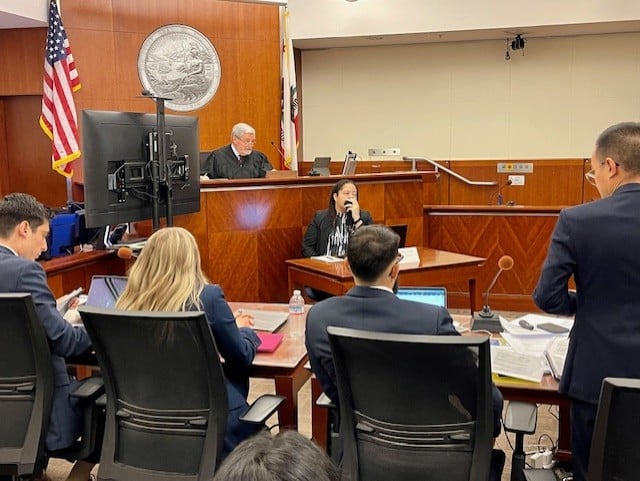
Accurate Documentation Is Critical in Video Court Systems
In any courtroom, the official record is more than a formality—it is the foundation of the judicial process. Every ruling, objection, and piece of testimony must be preserved with precision. As courts adopt video-enabled proceedings, the responsibility to capture and maintain that record has expanded, making accurate documentation more important than ever. A well-designed video […]
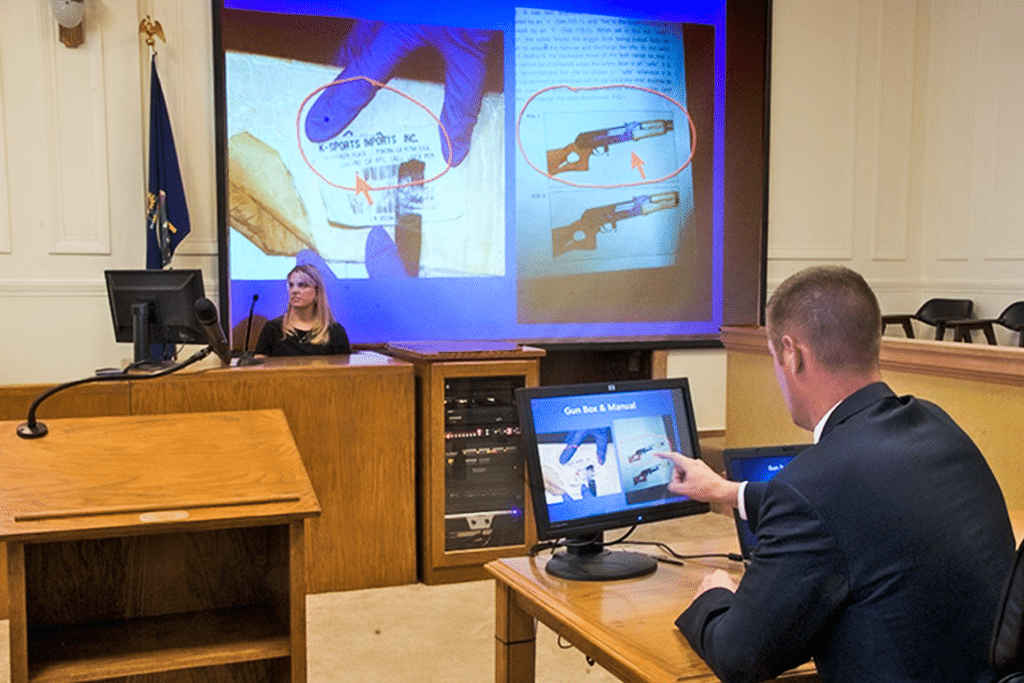
Precise Control of Audio, Video, and Evidence Is Essential in Video Courts
As courtrooms evolve to support hybrid and fully virtual proceedings, the role of technology has expanded dramatically. Judges and courtroom staff are no longer just managing people in a physical space—they are managing a dynamic environment of in-room and remote participants, digital evidence, and multiple audio and video sources. In this environment, precise, real-time control […]

Why Clear Audio and Recording Integration Are Critical to Video Courtroom Design
As courts continue to adopt video-enabled proceedings, the conversation often starts with cameras, displays, and remote participation. But inside the courtroom, one principle quickly becomes clear: audio is the most critical element of the entire system. A well-designed video courtroom is not judged by how it looks—it is judged by how well it allows participants […]
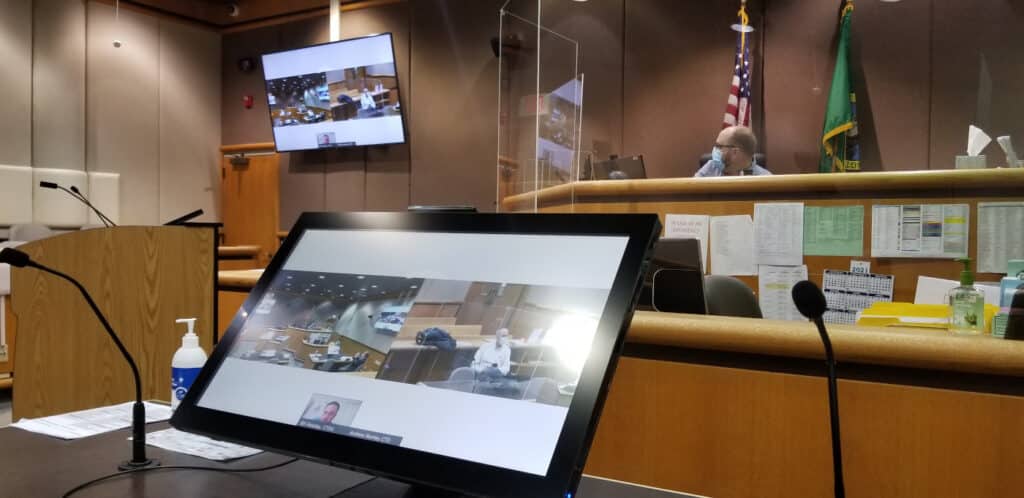
Ease of Use and Reliability Are Critical in Video Court System Design
As courts continue to adopt and expand video-enabled proceedings, two priorities consistently rise to the top for both judges and IT staff: ease of use and reliability. While advanced features and integrations are important, they mean little if the system is difficult to operate or fails during a live hearing. In a courtroom, there is […]